
A few summers ago, a tenant packed up a small storage unit with the things they didn’t have room for at home: a desktop computer, a flat-screen TV, a few boxes of family photos, and some extra furniture. Instead of renting one of the climate-controlled storage units nearby, they figured a standard, non-climate-controlled self storage unit would be fine.
Then the Texas heat hit.
By the time they came back months later, the TV screen had warped, the computer had moisture damage, and the photos had started to stick together. It’s a common problem: the National Archives points to unstable humidity and temperature as one of the top causes of this kind of damage to electronics, photos, and documents. The unit had protected their belongings from theft and rain, but not from the temperature swings that caused the real harm.
That is exactly why Summerhill Storage wants customers to understand the difference between climate-controlled and non-climate-controlled self storage before choosing a unit. The right choice can help save your belongings, save your money, and save your peace of mind.

What Is Climate-Controlled Self Storage?
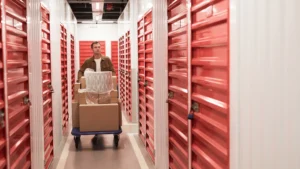
Climate-controlled storage keeps a unit’s indoor temperature between 55° and 85° F and maintains a humidity level of 55%. As a comparison, the average air-conditioned home stays between 35%-45% humidity. Think of climate control as an air-conditioner, humidifier, and dehumidifier combination to sustain the proper temperature and humidity levels for specific types of items.
This can be especially important if your unit is located in a climate that sees excessively hot summers, frigid winters, or heavy humidity. Items inside a standard storage unit can still get very hot or very cold depending on the weather. Climate-controlled storage helps reduce that risk.
Think of it this way: if you would not leave an item in your garage, attic, or car trunk for months at a time, you may not want to store it in a non-climate-controlled unit.
What Should You Store in a Climate-Controlled Storage Units?
Climate-controlled self storage is usually the better choice for items that are valuable, fragile, sentimental, or sensitive to heat, cold, or humidity.
You should strongly consider climate-controlled storage for:
- Electronics, computers, TVs, speakers, and gaming systems
- Wood furniture
- Leather furniture, coats and accessories
- Important documents, books, and photographs
- Artwork, collectibles, and family heirlooms
- Clothing, bedding, mattresses, and upholstered furniture.
- Musical instruments, especially guitars, pianos, and string instruments.
- Appliances that have electronic components.
If you’re storing anything you would be upset to find damaged later, climate-controlled storage is often worth the added cost.
What Is Standard, Non-Climate-Controlled Self Storage?
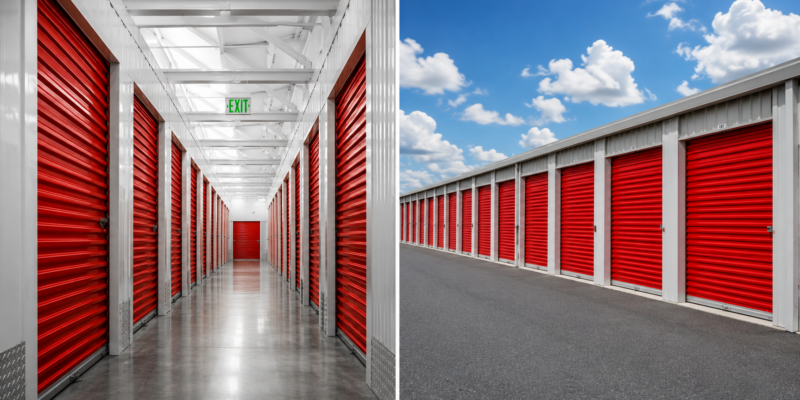
Non-climate-controlled self storage is the traditional storage option many people picture when they think of a storage unit. These units are drive-up spaces where you can load and unload directly from your vehicle.
If you’re storing items that are durable and not sensitive to temperature changes, a non-climate-controlled unit can be a practical and affordable choice.
Common items that often do well in non-climate-controlled storage include patio furniture, lawn equipment, tools, holiday decorations, plastic bins, sports gear, and some household goods. These items are usually built to handle tough weather conditions.
The main thing to remember is that non-climate-controlled storage protects your belongings from basic exposure, but it does not regulate the environment inside the unit.
When Is Non-Climate-Controlled Storage Enough?
Non-climate-controlled storage can be a smart choice when you are storing durable items for a short period of time or when your belongings are not sensitive to temperature changes.
Non-climate-controlled self storage is acceptable for:
- Garden tools, hoses and sprinklers
- Hand tools and power tools (if batteries are removed)
- Plastic and metal shelving
- Outdoor furniture, cushions, and rugs
- Bicycles and children’s toys.
- Pool toys
- Holiday decorations made of plastic, metal, or glass
Standard self storage is convenient if you want drive-up access that will make loading and unloading easier.
The key is to match the storage unit to the items you are storing. Based on location and additional amenities, climate-controlled storage can be more expensive than standard self storage. Paying for climate control isn’t necessary for everything, but skipping it for temperature-sensitive items can be more expensive in the long run.
How To Choose the Right Storage Unit
Before renting a storage unit, take a quick inventory of what you plan to store. Ask yourself a few simple questions.
- Would heat, cold, or humidity damage this item?
- Is it made of wood, leather, paper, fabric, or electronics?
- Is it valuable or hard to replace?
- Will it be stored for more than a month or two?
- Would I feel comfortable leaving it in a garage through the summer or winter?
Your answers will usually point you in the right direction.
If most of your items are easy to replace, non-climate-controlled storage may work well. If your belongings are sensitive, valuable, or sentimental, climate-controlled storage is the safer option.
Protect Your Belongings With the Right Storage Choice
Self storage is not just about finding extra space. It is about protecting the things that matter most.
Climate-controlled storage gives you added protection against heat, cold, and humidity. Non-climate-controlled storage gives you a simple, convenient, and budget-friendly option for durable items. Every situation is different, and the best choice depends on what you’re storing, how long you plan to store it, and how much protection your belongings need.
Before you rent your next unit, take a few minutes to think through what is going inside. A little planning now can prevent a lot of disappointment later.